Special education classes for visually impaired students.
About
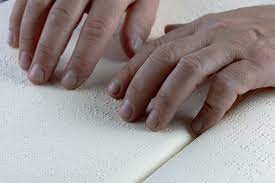
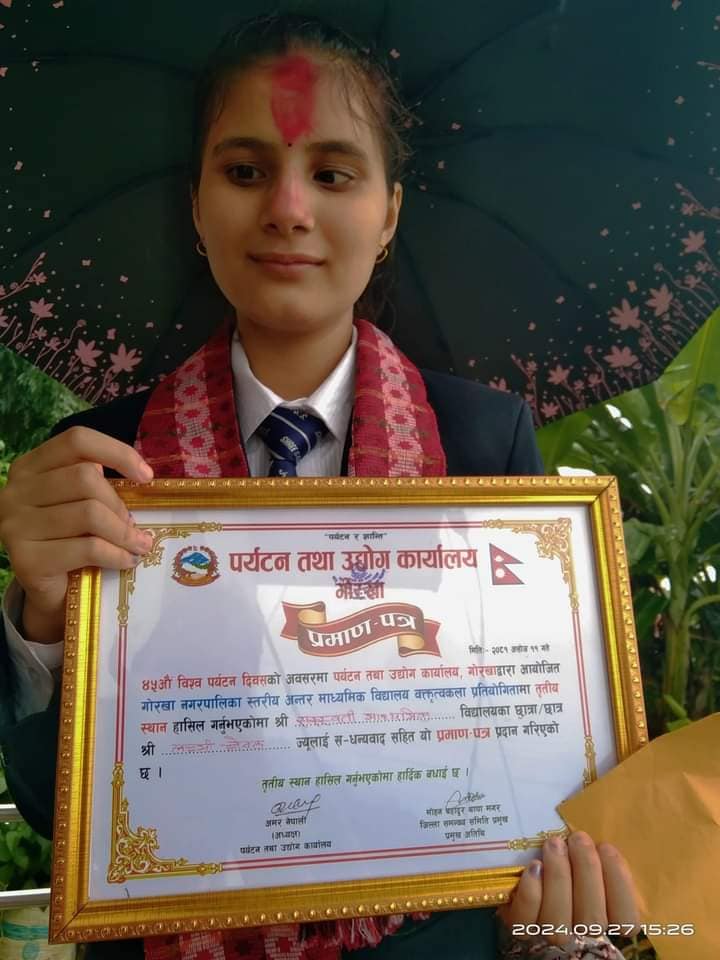
Shree Saraswoti Secondary School is proud to provide special education classes tailored to the unique needs of visually impaired students. Initiated in 2060 B.S., this program is a testament to the school’s commitment to inclusivity and equal educational opportunities. The program is designed to empower visually impaired students by equipping them with the knowledge, skills, and confidence needed to excel academically and contribute positively to society.
With specialized resources, assistive technologies, and trained educators, the program offers a supportive and adaptive learning environment. In addition to core academics, students are guided to develop life skills, explore their talents, and overcome challenges, fostering independence and self-reliance.
Objectives
- To provide visually impaired students with high-quality education tailored to their specific needs.
- To promote inclusivity by ensuring equal access to academic and co-curricular opportunities.
- To foster independence, self-confidence, and social integration among visually impaired learners.
- To equip students with assistive tools and technologies to enhance their learning experience.
- To help students build essential life skills and prepare for higher education or vocational opportunities.
- To instill a sense of pride in their abilities while encouraging them to contribute meaningfully to society.
- To create awareness and acceptance within the school community regarding visual impairment and inclusivity.
Outlines
1. Curriculum Design:
- A customized curriculum aligned with national academic standards, adapted for visually impaired students.
- Braille-based resources and tactile learning materials for core subjects.
- Focus on developing foundational skills in literacy, numeracy, and communication.
2. Assistive Technologies:
- Use of screen-reading software, talking calculators, and other assistive devices.
- Integration of audio learning materials and digital tools to enhance accessibility.
- Training students to use technology for academic and personal purposes.
3. Skill Development:
- Emphasis on practical life skills, including mobility training, self-care, and orientation.
- Workshops and activities to build confidence, teamwork, and problem-solving abilities.
- Creative outlets such as music, art, and storytelling to explore and nurture individual talents.
4. Inclusive Learning Environment:
- Collaborative learning opportunities with sighted peers to promote social integration.
- Classroom setups that cater to the needs of visually impaired students, ensuring safety and comfort.
- Sensitization programs for teachers and students to foster understanding and empathy.
5. Extracurricular Activities:
- Opportunities for visually impaired students to participate in music, debate, and cultural events.
- Inclusion in sports adapted for visually impaired individuals, like goalball or chess.
- Leadership and teamwork activities to enhance their overall development.
6. Teacher Training and Support:
- Specialized training for educators to effectively teach and guide visually impaired students.
- Ongoing professional development to stay updated on the latest teaching methods and tools.
- Availability of counselors and mentors to provide emotional and academic support.
7. Transition Support:
- Guidance and counseling to help students transition smoothly into higher education or vocational training.
- Collaboration with external organizations to provide internships, scholarships, and career opportunities.
8. Cultural and Environmental Awareness:
- Activities that encourage students to appreciate and preserve Nepalese culture and traditions.
- Lessons on environmental conservation to promote sustainable living practices.